Major Fuel Price Rollback Expected Next Week as Global Oil Markets Stabilize
News | National Posted on 2026-05-30 00:45:29
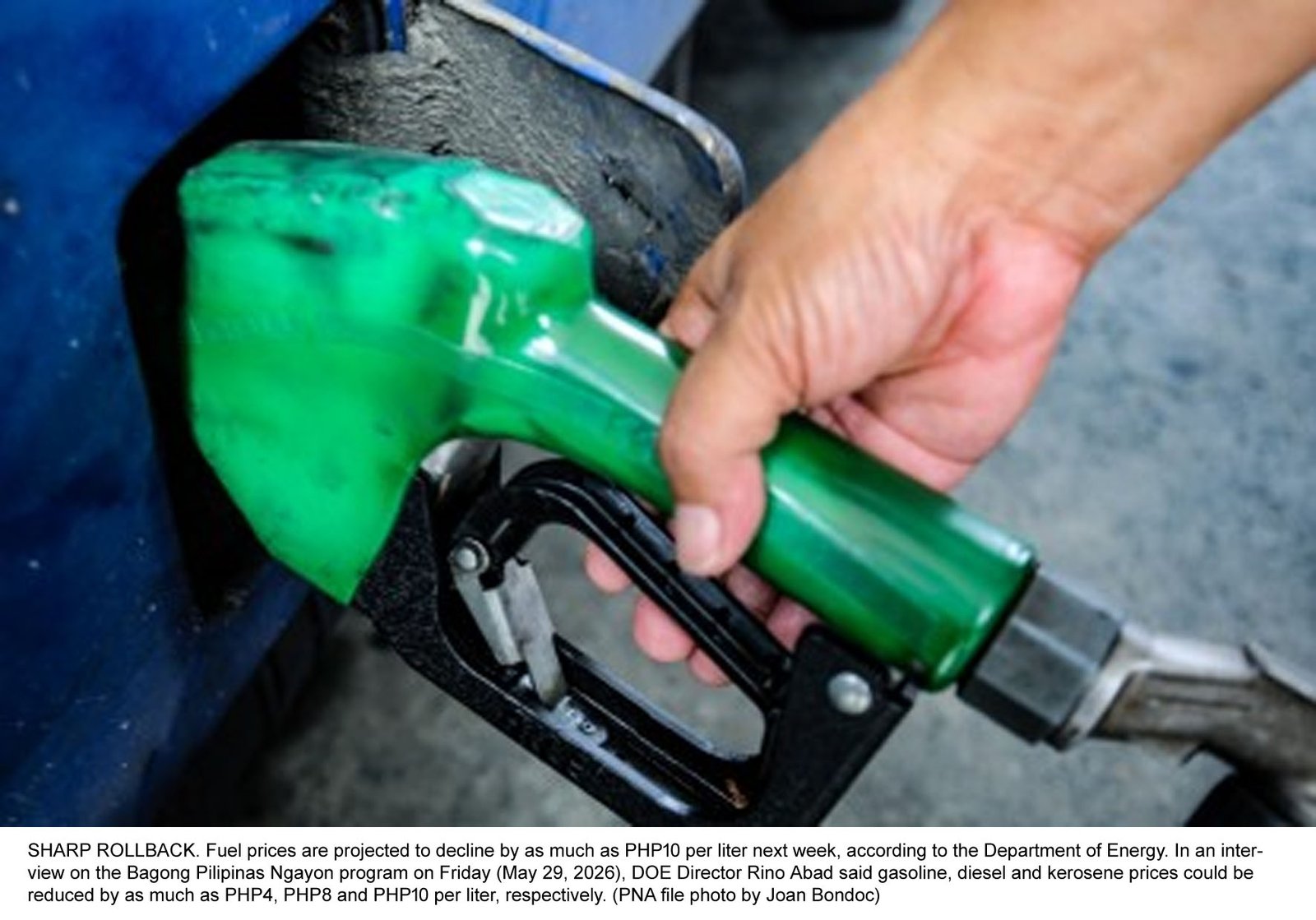
Motorists May Enjoy Savings of Up to ₱10 Per Liter Amid Positive Developments in Global Energy Markets
MANILA, Philippines — Filipino motorists and transport operators may finally receive much-needed relief at the pumps next week as fuel prices are projected to decline significantly following weeks of consecutive increases driven by geopolitical tensions in the Middle East.
According to the Department of Energy (DOE), fuel prices could experience one of the largest rollbacks this year, with kerosene expected to decrease by as much as ₱10 per liter, diesel by up to ₱8 per liter, and gasoline by as much as ₱4 per liter.
DOE Oil Industry Management Bureau Director Rino Abad said the projected price reductions are based on trading movements observed during the first four days of the international oil market this week.
The anticipated rollback comes as welcome news for millions of Filipino consumers who have been burdened by rising transportation and fuel costs following weeks of market volatility linked to tensions in the Middle East.
The expected reductions would effectively reverse this week's increases, which saw diesel prices rise by approximately ₱1.90 per liter, gasoline by ₱1.95 per liter, and kerosene by ₱1.45 per liter.
Energy analysts attribute the easing of oil prices largely to growing optimism surrounding diplomatic efforts and ongoing negotiations between the United States and Iran. Positive signals from both sides have helped calm global energy markets and reduce concerns over potential supply disruptions.
Abad noted that international oil prices, which surged dramatically following the outbreak of conflict in the Middle East earlier this year, have gradually retreated from their peak levels.
Just weeks after tensions escalated in late February, fuel prices had climbed to nearly ₱140 per liter in some international benchmarks. Recent developments, however, have pushed prices down to a more manageable range of approximately ₱70 to ₱80 per liter, easing pressure on importing countries such as the Philippines.
"The positive developments and pronouncements regarding negotiations between the United States and Iran have contributed significantly to the softening of global oil prices," Abad explained.
Government Continues Fuel Assistance Program
While global oil markets continue to stabilize, the government remains committed to assisting sectors most affected by fuel price fluctuations.
The DOE reported that approximately ₱40 million in fuel subsidies have already been distributed to public utility vehicle (PUV) drivers under the government's ₱10-per-liter Fuel Subsidy Program.
The initiative forms part of the broader Unified Package for Livelihoods, Industry, Food, and Transport (UPLIFT) Program, designed to cushion the impact of rising fuel costs on transport workers and vulnerable sectors.
Qualified drivers may receive up to ₱1,500 per vehicle per week for a period of three months, helping sustain their operations amid fluctuating fuel prices.
To date, around 1,263 gasoline stations nationwide have joined the subsidy program, with additional fuel retailers expected to participate in the coming weeks to expand access and coverage.
Positive Outlook for Consumers
Industry observers say the projected fuel price rollback could provide a welcome boost to household budgets, transportation operators, logistics companies, and businesses that depend heavily on fuel for daily operations.
Lower fuel costs may also help ease inflationary pressures, reduce transportation expenses, and contribute to greater economic stability in the coming months.
As global markets continue to monitor geopolitical developments and energy supply conditions, consumers remain hopeful that the downward trend in fuel prices will continue, providing sustained relief for Filipino families and businesses alike.
For now, motorists across the country can look forward to significantly lower fuel prices and much-needed savings beginning next week.
NPO News Team | PNA-PR
Share:
Writer :
Link :
Leave a Comment:
Date: Tuesday | June 9, 2026 | 6:32:am
Sections
Recent News
RECENT POSTS
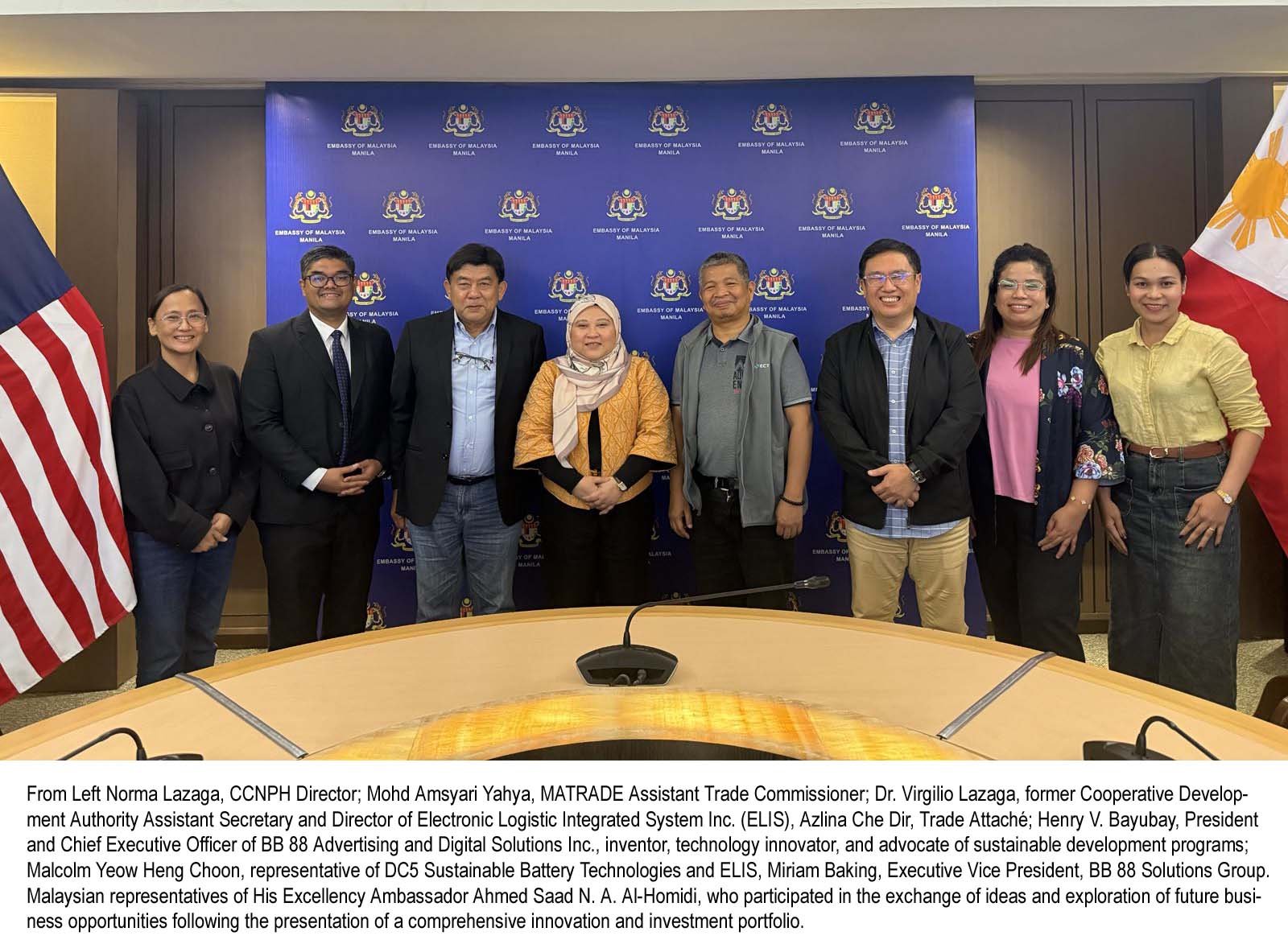
MALAYSIA-PHILIPPINES TRADE ENGAGEMENT OPENS NEW DOORS FOR AGRI-TECH, E-MOBILITY, CLEAN ENERGY, AND SMART CITY DEVELOPMENT
Category : AGRI-NEWS
Read More →
DBP Extends P100-M Loan Facility to Boost Financing for Farmers, Fisherfolk
Category : AGRI-NEWS
Read More →

PH, Japan Expand Food Security Partnership to Include Fisheries Sector
Category : AGRI-NEWS
Read More →