The human cost of labor export in war, disaster
OPINION | Letter to the Editor Posted on 2026-03-12 03:44:15

For decades, our country has promoted overseas employment as a way to reduce unemployment and generate foreign currency through remittances. Programs have focused on skills development, job matching, and protection of overseas Filipino workers (OFWs). And indeed, OFWs are a vital part of the Philippine economy: about 2.3 million documented Filipinos work in some 200 countries, contributing roughly USD30 billion annually about 7.3 percent of our GDP.
Yet behind these staggering numbers lies a profound human cost. On February 28, a 32-year-old Filipino caregiver in Israel became the latest documented casualty in the ongoing Middle East crisis. Two years ago, six OFWs were also killed during attacks in the same region. And many others have lost their lives due to accidents, disasters, or illness while working far from home.
Having been assigned in Taiwan, I experienced the heartbreak of arranging the return of OFW remains after tragic accidents and natural disasters. Speaking with the families—grieving husbands, wives, parents, and children brought home the deep sacrifices involved. These are not statistics; these are real lives, ripped from the comfort of home, often in the prime of their years.
The stories of OFWs are filled not only with resilience but also with regret. Some fall ill due to conditions at work. Others face constant danger or spend years apart from their families, missing milestones that cannot be reclaimed. In the gatherings I attended, the “wall of sadness” that hits many OFWs around six months into deployment is palpable a mixture of longing, fatigue, and fear.
As a nation, it is easy to focus on the economic benefits of labor export. But we must also recognize the emotional and physical toll paid by our fellow Filipinos. Every remittance carries a story of sacrifice; every dollar represents a life lived far from family, often in precarious conditions.
In times of war, conflict, or disaster, our thoughts and prayers should turn to these workers. While we debate fuel prices or inflation at home, many of our countrymen are literally fearing for their lives abroad. Let us not forget that behind every economic statistic, there is a human story and behind every remittance, a life of courage, resilience, and sometimes heartbreak.
The question we must ask ourselves is this: how can we continue to benefit from overseas labor while ensuring that the people who make it possible are protected, valued, and, above all, safe?
NPO NEWS TEAM | PIA - PR
Share:
Writer :
Link :
Leave a Comment:
Date: Thursday | March 12, 2026 | 6:20:pm
Sections
Recent News
RECENT POSTS
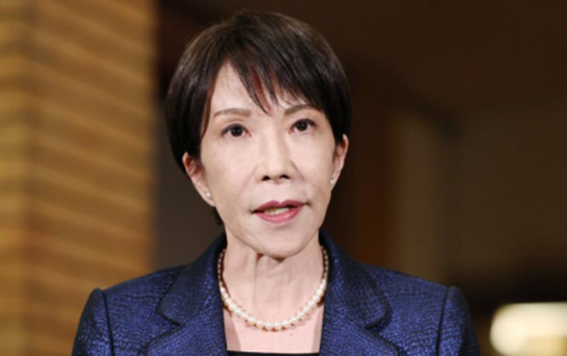
Japan Plans Early Release of Oil Reserves as Middle East Tensions Push Prices Higher
Category : International News
Read More →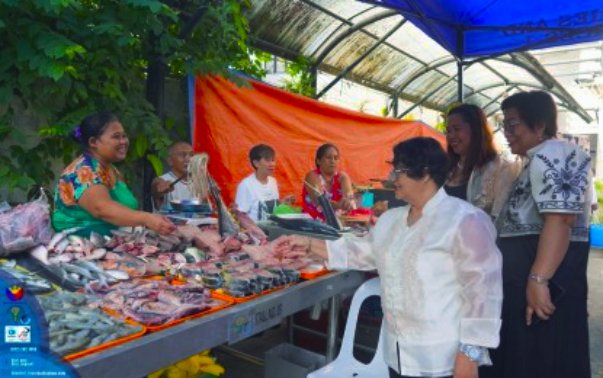
Lower Meat and Vegetable Prices Slow Inflation in Pangasinan and La Union
Category : AGRI-NEWS
Read More →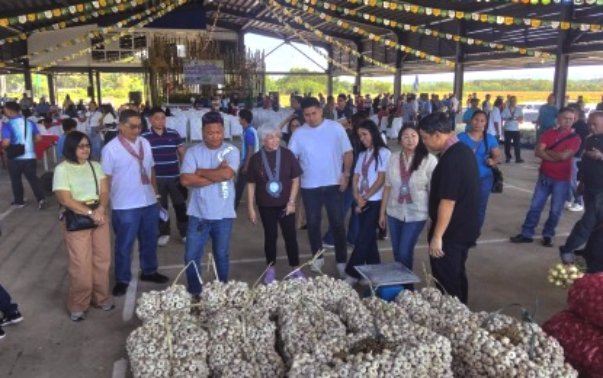
Largest Agricultural Trading Center in Ilocos Norte Opens in Batac City
Category : AGRI-NEWS
Read More →