From awareness to acceptance: The challenge of true inclusion for Filipinos in the spectrum
OPINION | Letter to the Editor Posted on 2026-03-12 03:27:36
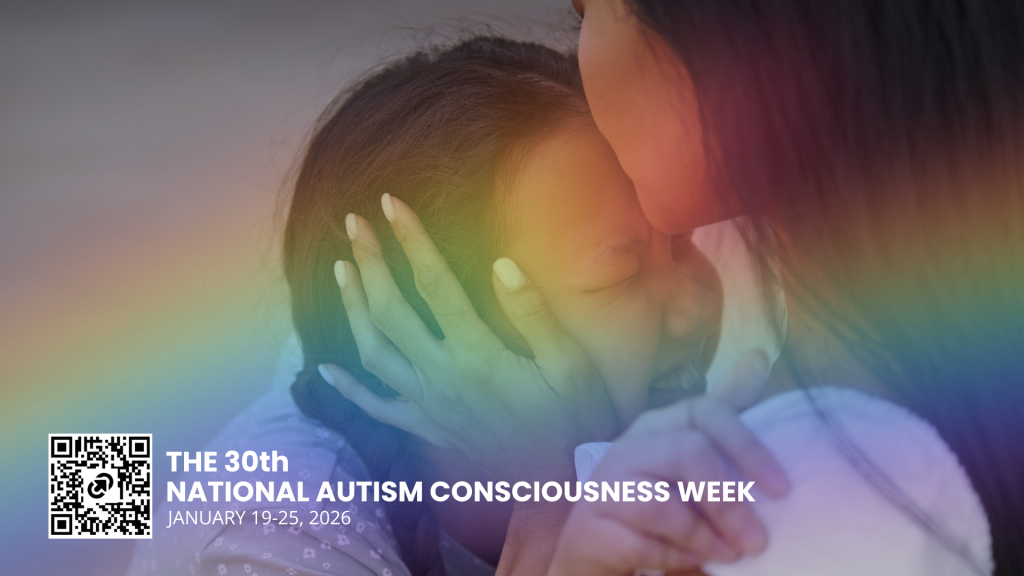
Every third week of January, the Philippines observes National Autism Consciousness Week, a time meant to increase understanding about individuals on the autism spectrum. While public awareness campaigns have grown over the years, awareness alone is no longer enough. The theme for 2024–2026 “Mula Kamalayan Tungo sa Gawa: Pag-unlad ng Autism OK Philippines” rightly calls for a shift from simply recognizing autism to actively creating systems that support inclusion.
For many Filipino families, the challenges of autism are not limited to understanding the condition but navigating a system that often lacks sufficient resources. As emphasized by Walter Jason Alava of the National Council on Disability Affairs, misconceptions about autism remain widespread. Some people still believe that autism is contagious or a disease, when in fact it is a neurodevelopmental condition affecting communication, social interaction, and sensory processing.
These misconceptions are not harmless. They contribute to stigma and discrimination, making it harder for individuals with autism to participate fully in schools, workplaces, and community life. Correcting these myths is an essential step toward building a more inclusive society.
However, awareness campaigns must also confront deeper structural problems. One of the most pressing concerns is the shortage of developmental specialists in the country. Early intervention especially between the ages of one and five is widely considered crucial for supporting children on the autism spectrum. Yet with only a limited number of specialists available nationwide, many Filipino families face long waiting periods and costly assessments.
Programs such as the NCDA’s CARE Caravan are promising steps toward addressing these gaps by providing free assessments to communities that cannot easily access specialized services. But these initiatives must be expanded and supported if the country truly wants to move from awareness to action.
Inclusion also requires a change in how society interacts with persons with disabilities. The use of respectful, person-first language such as “persons with disability” recognizes the individual before the condition. Equally important is the need for “reasonable accommodations,” whether in classrooms, workplaces, or public spaces, to ensure accessibility and meaningful participation.
The Philippines already has legal frameworks such as Republic Act 7277, known as the Magna Carta for Persons with Disabilities, and Republic Act 11650, which promotes inclusive education. Yet laws alone cannot guarantee inclusion. Real progress happens when communities practice empathy, adapt environments, and recognize the capabilities of people on the spectrum.
Autism advocacy should not be limited to annual observances or symbolic gestures. It must translate into policies, accessible services, and everyday acts of respect. If society truly listens to the voices of advocates and families, awareness can become something far more meaningful a pathway toward genuine inclusion and opportunity for all.
NPO NEWS TEAM | PIA - PR
Share:
Writer :
Link :
Leave a Comment:
Date: Thursday | March 12, 2026 | 6:18:pm
Sections
Recent News
RECENT POSTS
Japan Plans Early Release of Oil Reserves as Middle East Tensions Push Prices Higher
Category : International News
Read More →
Lower Meat and Vegetable Prices Slow Inflation in Pangasinan and La Union
Category : AGRI-NEWS
Read More →
Largest Agricultural Trading Center in Ilocos Norte Opens in Batac City
Category : AGRI-NEWS
Read More →