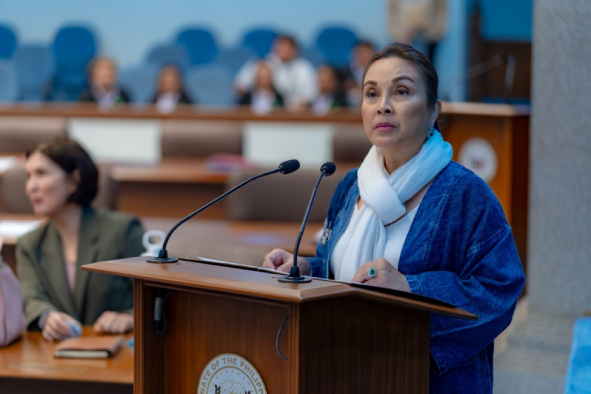
75% of Pinoy adolescents living a sedentary lifestyle
Lifestyle | Health & Family Posted on 2026-03-12 00:19:41

QUEZON CITY — About three out of four Filipino adolescents, or around 75.5 percent, are not getting enough physical activity.
This finding came from the 2023 National Nutrition Survey, which is conducted every five years by the Food and Nutrition Research Institute (FNRI), an attached agency of the Department of Science and Technology (DOST).
According to FNRI, insufficient physical activity means doing less than 60 minutes of moderate-to-vigorous physical activity each day.
The survey also showed that lack of physical activity affects other age groups. Around 46 percent of adults aged 20 to 59 and 57.3 percent of senior citizens aged 60 and above are also not active enough.
“Personally, since my work hours are from 8:30 a.m. to 5:30 p.m., I don’t have time to exercise in the morning, and by evening I’m already tired from work,” said Jeno Bautista, a 28-year-old resident of Barangay Palanan in Makati City.
She added that while walking is an option, many areas in the city are not pedestrian-friendly.
“I could walk home, but the city isn’t walkable outside the Makati Central Business District. It’s fine to walk inside the CBD, but outside that area there are no proper sidewalks, so you’re forced to walk on the road, which is dangerous,” she said.
The World Health Organization (WHO) warned that physical inactivity combined with poor diet increases the risk of obesity and other diseases.
Globally, 80 percent of teenagers and 31 percent of adults do not get enough physical activity, making inactivity the fourth leading risk factor for death worldwide.
Because of this, the DOST-FNRI encourages Filipinos of all ages to include more physical activities in their daily routine, such as walking, biking, or playing sports like basketball, badminton, and volleyball, while also maintaining a healthy and balanced diet.
They also recommend joining community fitness programs, including activities like Zumba, to help people stay active.
To address physical inactivity among adolescents, the DOST-FNRI developed educational materials under the “Move More for Healthier Filipino Teens” project, which aims to encourage young people to become more physically active.
The institute also continues to promote balanced nutrition through programs such as “Pinggang Pinoy,” a visual guide that shows the proper food portions for a healthy Filipino diet.
NPO News Team | PIA Philippine Information Agency - PR
Share:
Writer :
Link :
Leave a Comment:
Date: Thursday | March 12, 2026 | 6:16:pm
Sections
Recent News
RECENT POSTS
Japan Plans Early Release of Oil Reserves as Middle East Tensions Push Prices Higher
Category : International News
Read More →
Lower Meat and Vegetable Prices Slow Inflation in Pangasinan and La Union
Category : AGRI-NEWS
Read More →
Largest Agricultural Trading Center in Ilocos Norte Opens in Batac City
Category : AGRI-NEWS
Read More →